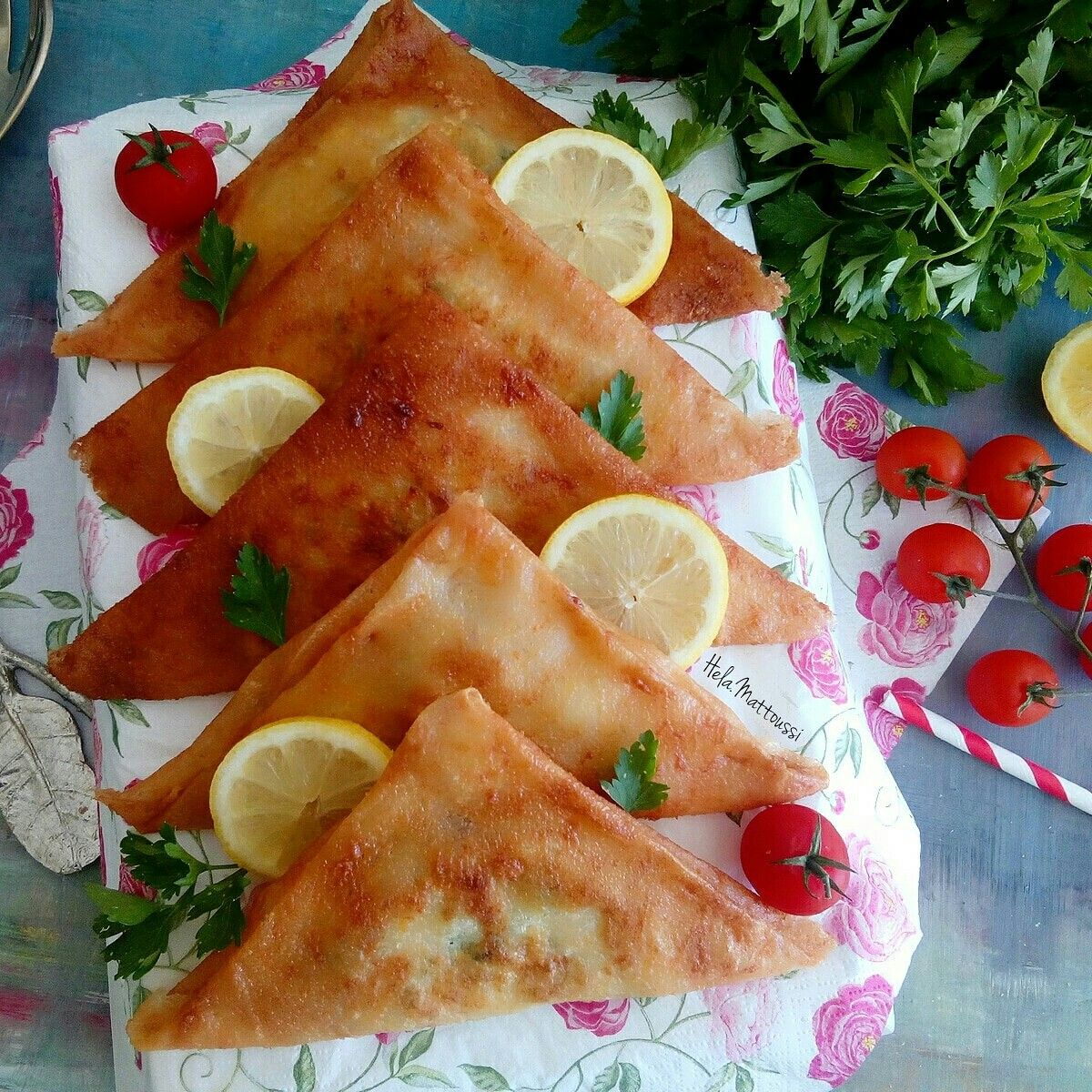
Brik
Crispy fried pastry with egg and tuna.
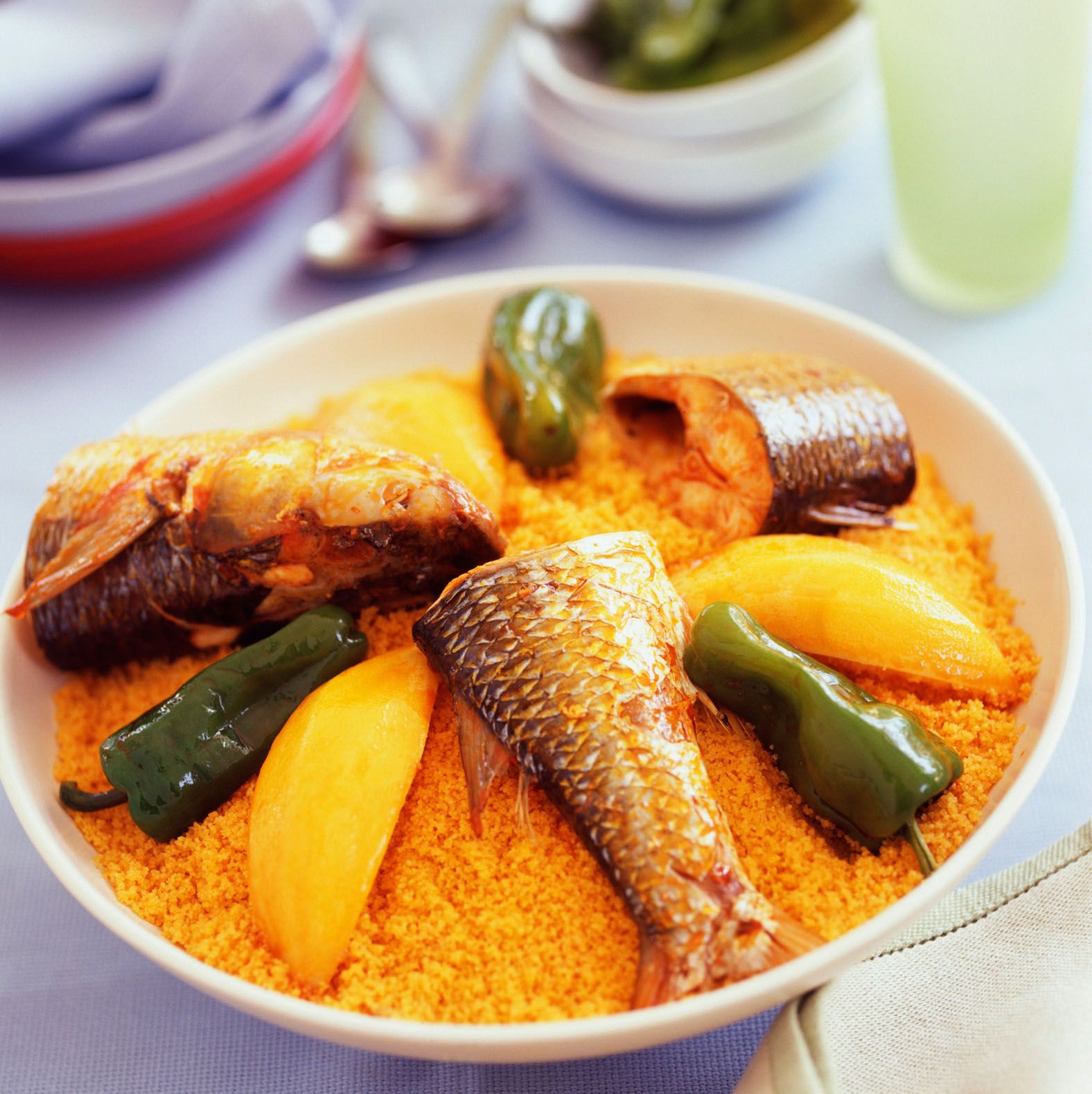
Couscous
Tunisia's national dish.
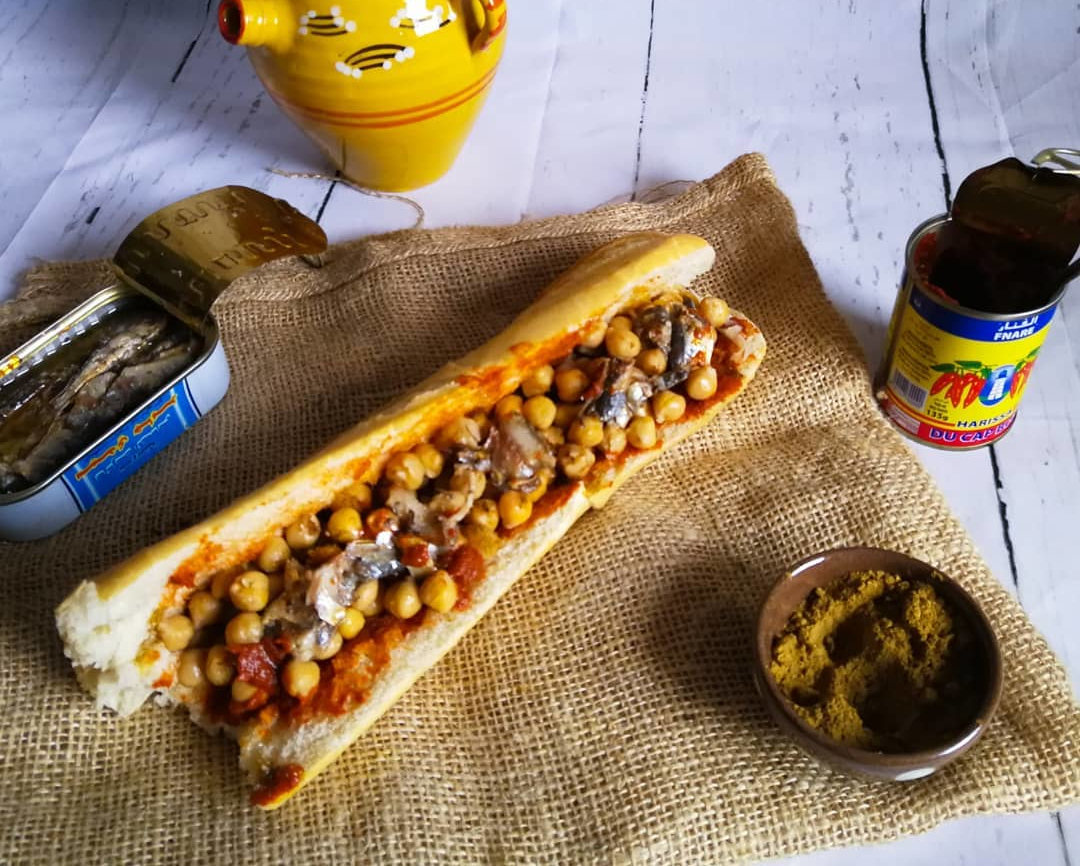
Lablabi
Warm chickpea soup.
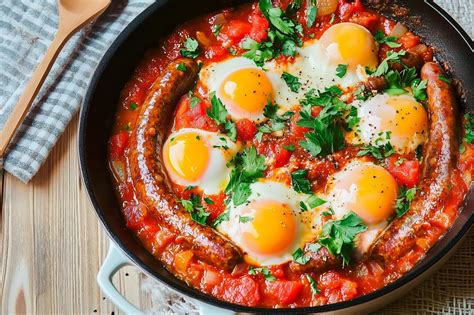
Ojja
Spicy tomato stew with merguez.
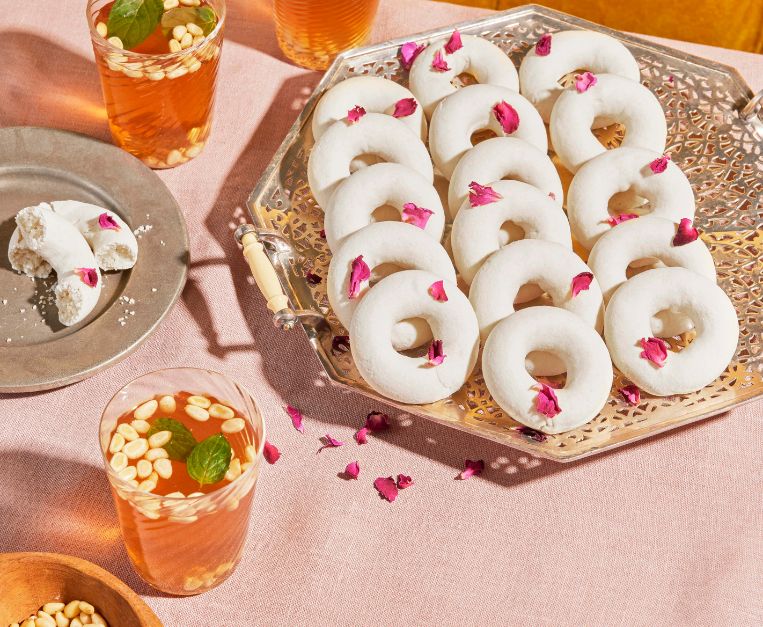
Kaak Warka
Delicate almond pastry.

Bambalouni
Sweet fried dough.
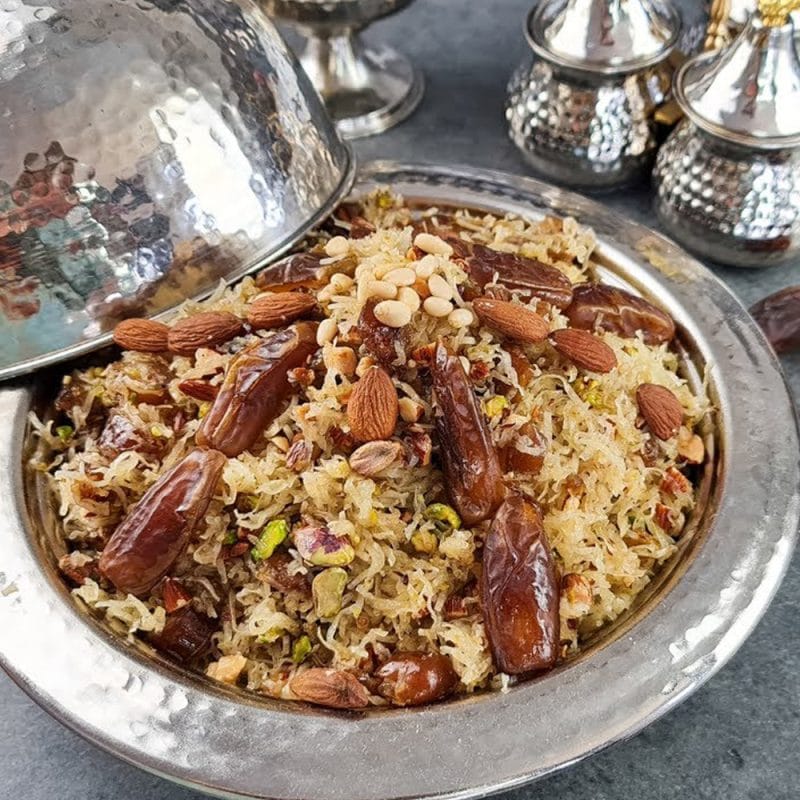
Mesfouf
Sweet couscous with raisins.
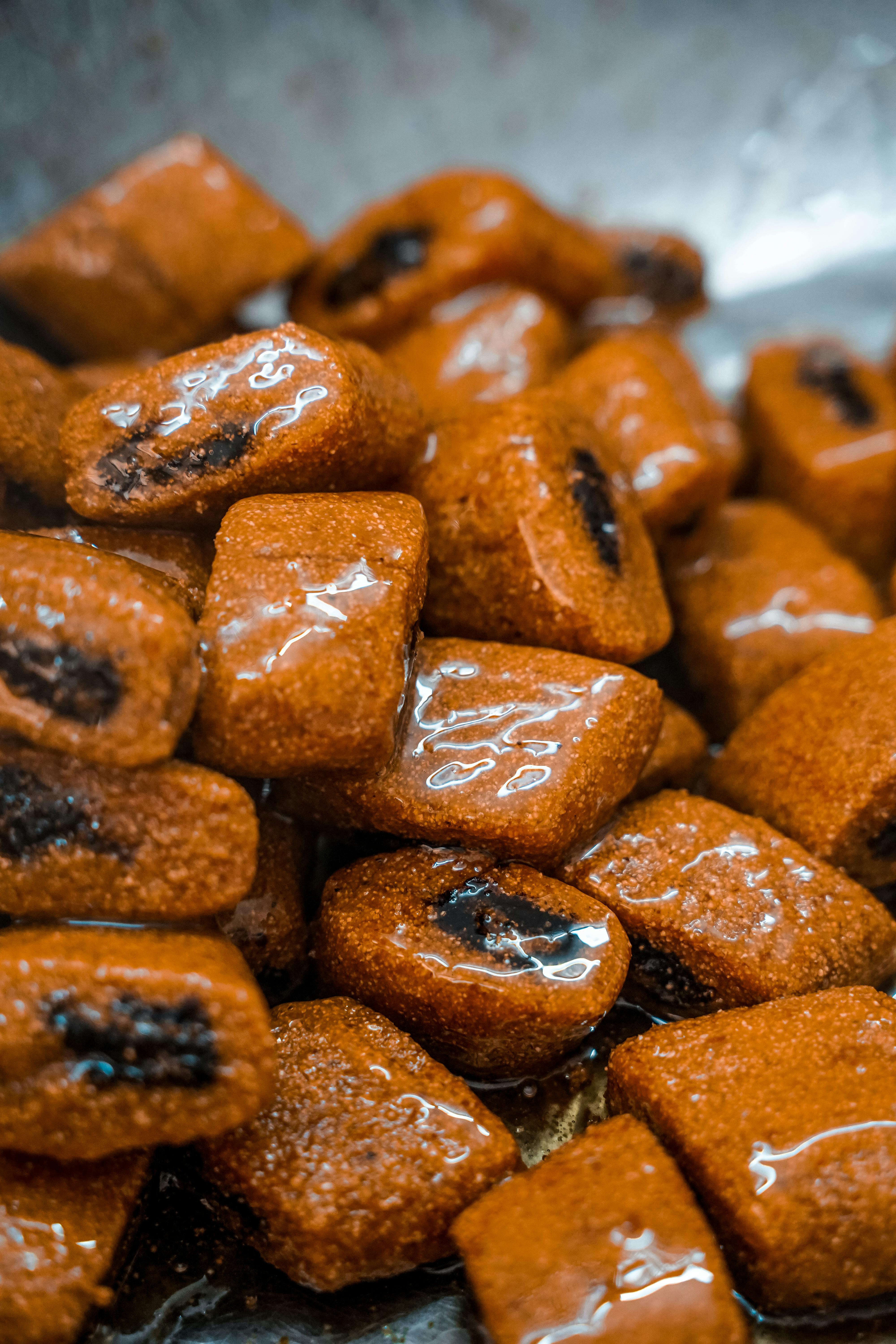
Makroudh
Date-filled semolina pastry.
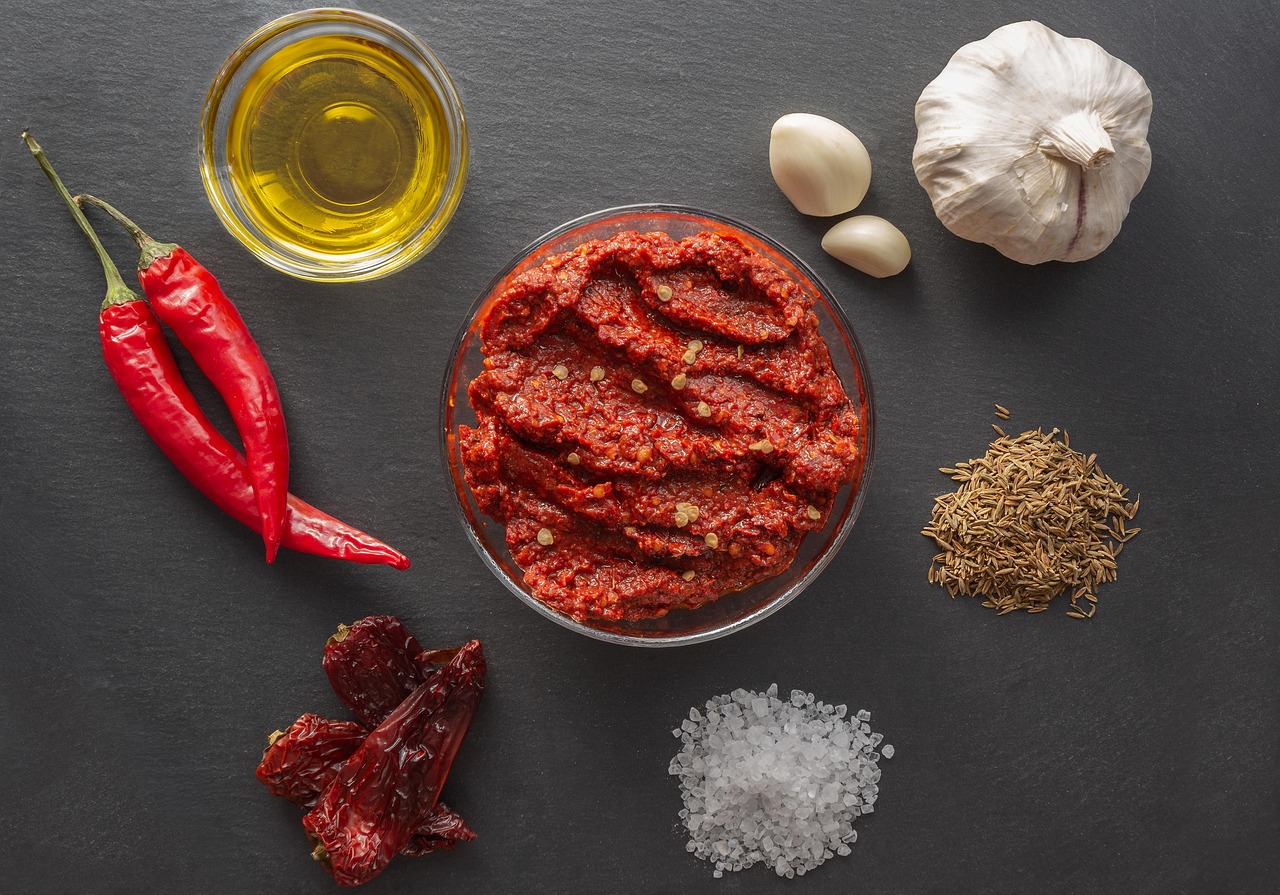
Harissa
Spicy chili paste.
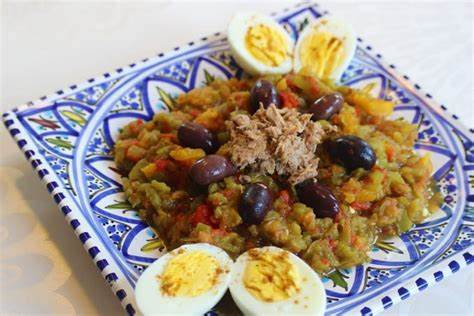
Salata Mechouia
Grilled pepper salad.
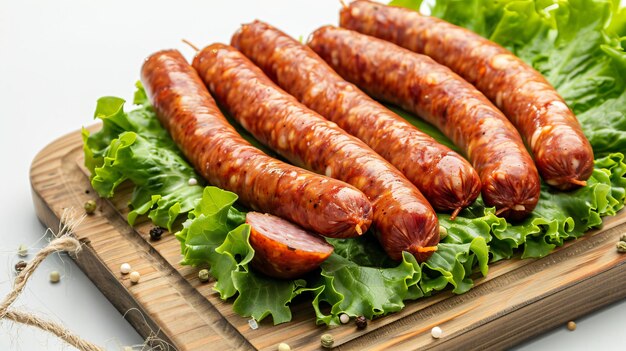
Merguez
Spicy lamb sausages.
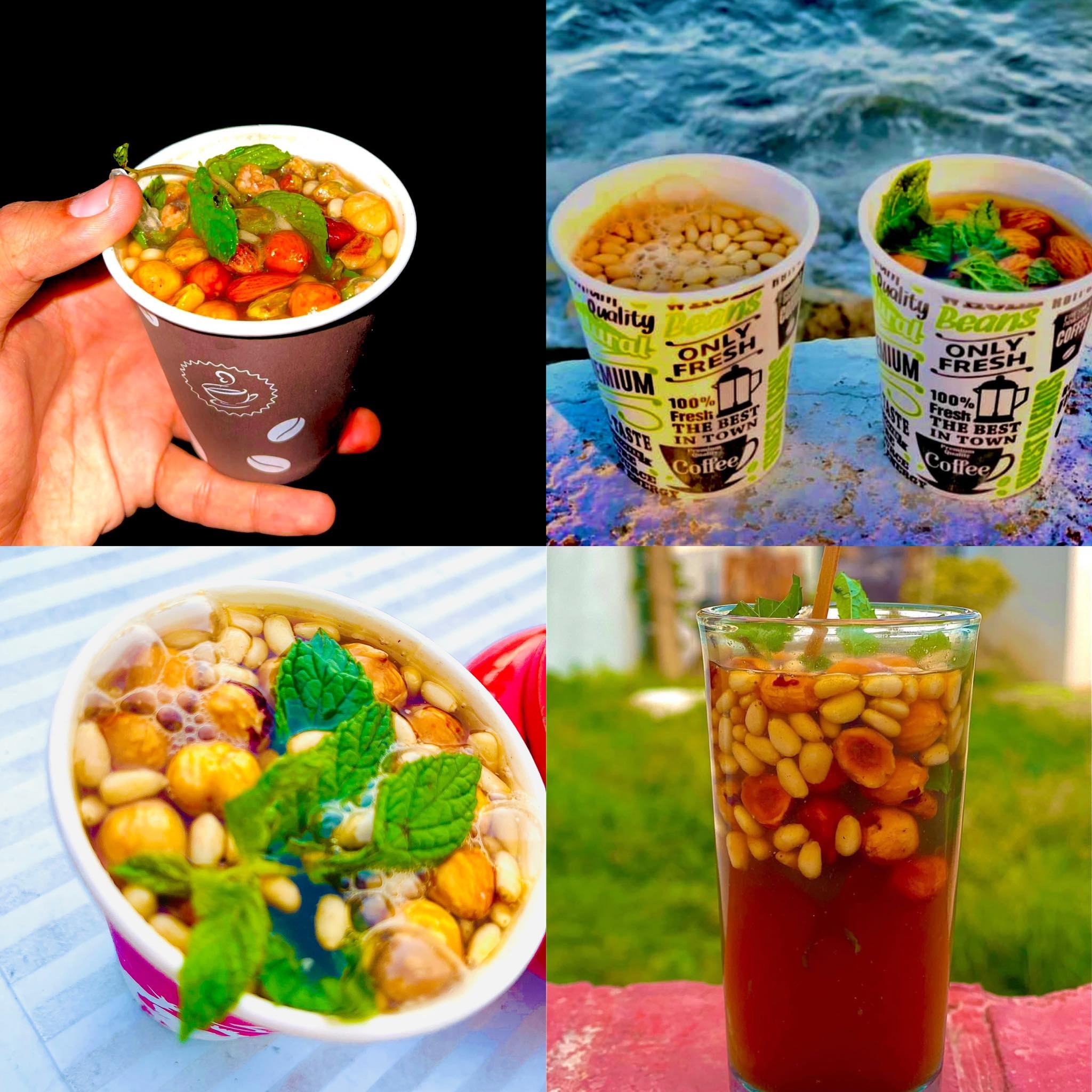
Zwitina
Mint tea.
Malouf Music
A classical musical tradition brought to Tunisia by Andalusian Muslims in the 15th century. Performed with lutes, violins, and percussion at weddings and celebrations.
Stambeli Ritual
A spiritual music and dance tradition of sub-Saharan origin, used in healing ceremonies. Recognised by UNESCO as an Intangible Cultural Heritage of humanity.
Ramadan Nights
During Ramadan, Tunisian cities come alive after sunset with lanterns, music, street food, and families gathering in public squares. A truly magical atmosphere.
Tunisian Wedding
Traditional weddings are elaborate multi-day celebrations featuring henna ceremonies, traditional music, elaborate costumes, and feasts of couscous and sweets.
The Fantasia
A traditional equestrian display where riders in traditional dress charge at full gallop and fire rifles simultaneously — a breathtaking cultural performance.
Berber Heritage
Tunisia's indigenous Amazigh (Berber) culture survives in the south — in architecture, tattooing traditions, weaving patterns, and the Tamazight language.
Pottery & Ceramics
Nabeul's hand-painted tiles and colourful glazed pottery.
Carpet Weaving
Kairouan's intricate geometric carpets, famous worldwide.
Silver Jewellery
Traditional Khamsa and fish motifs crafted in fine silver.
Woodwork
Beautifully inlaid cedar and olive wood carvings.
Traditional Clothing
Handmade Jebba, Chechia, and Fouta textiles.
Olive Oil Heritage
Ancient olive groves producing artisan oils since antiquity.
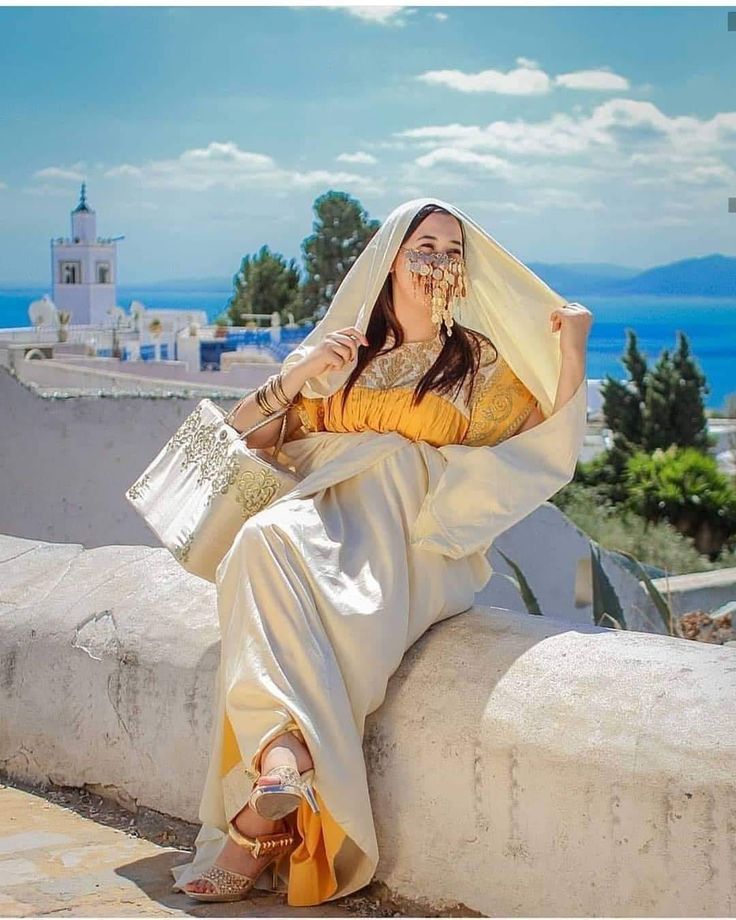
Sefsari
Elegant white wrap.
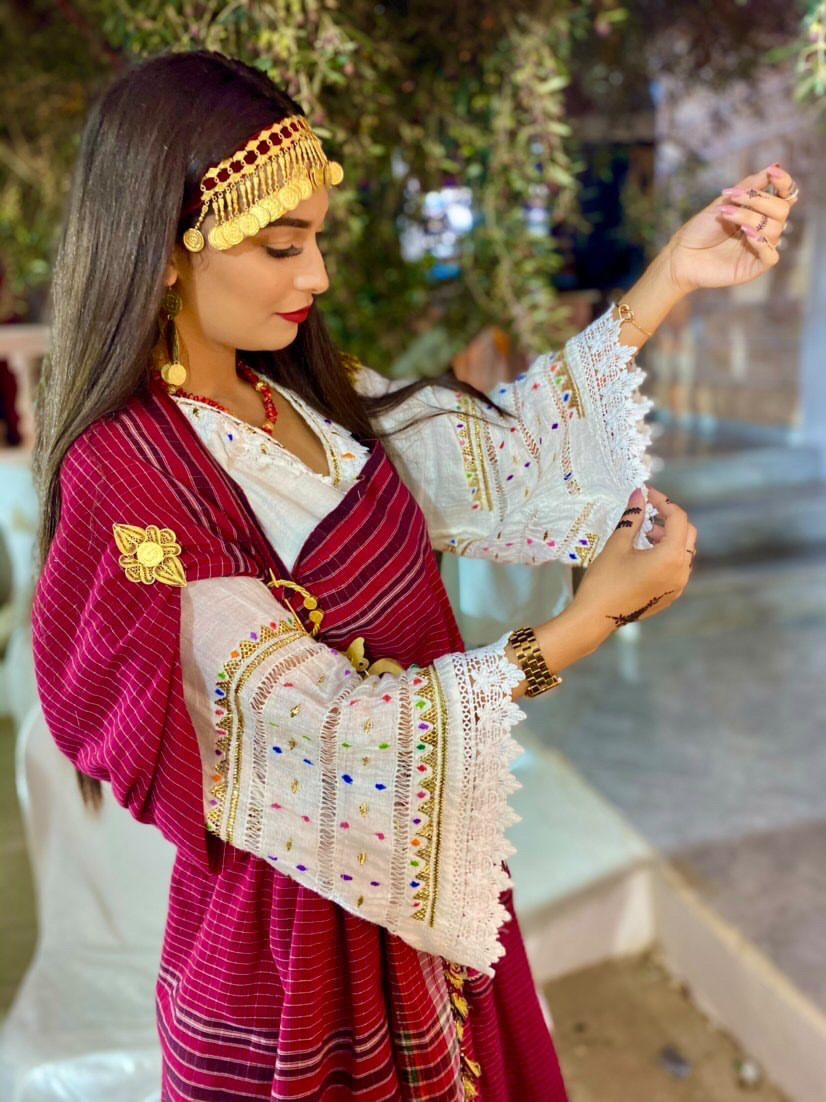
Malya
Traditional embroidered outfit.
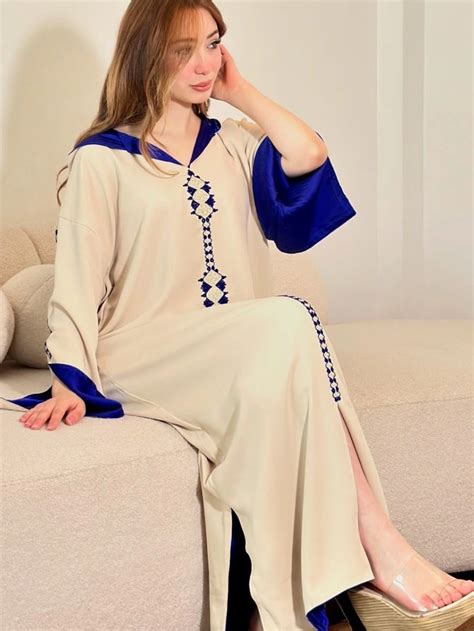
Kaftan
Elegant embroidered robe.
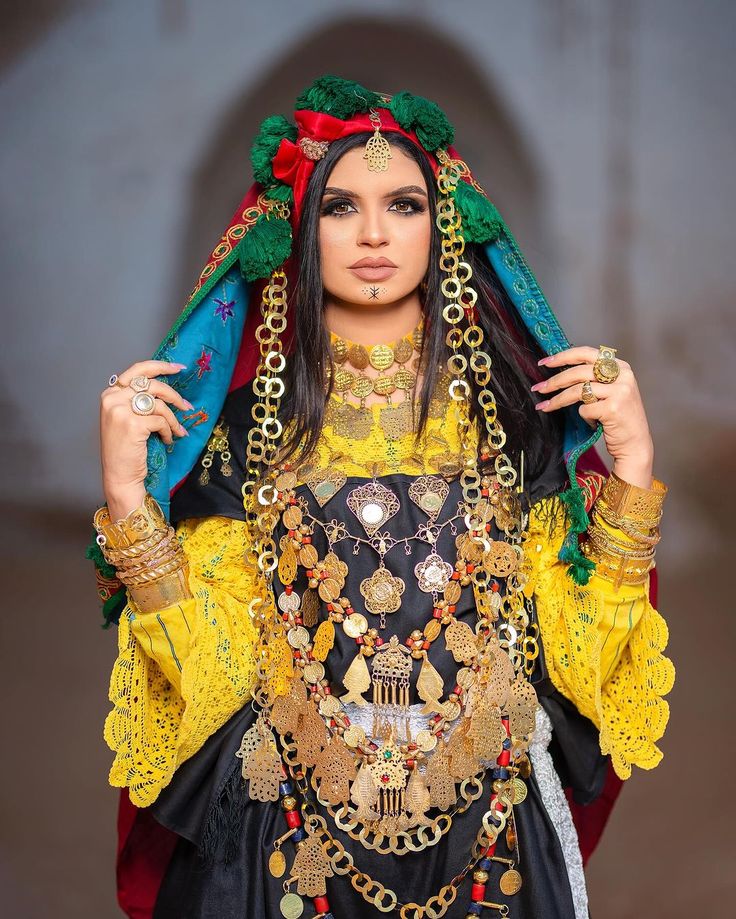
Klila
Traditional Kiswa.
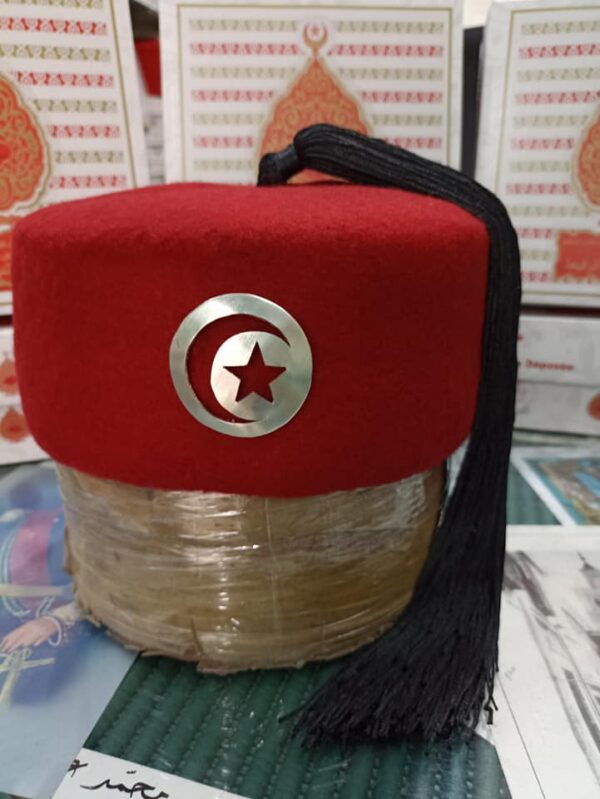
Chechia
Iconic red wool hat.
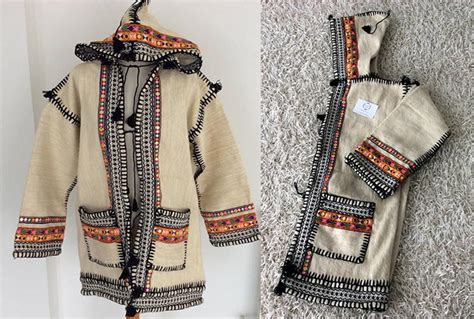
Kachabia
Striped wrap cloth.
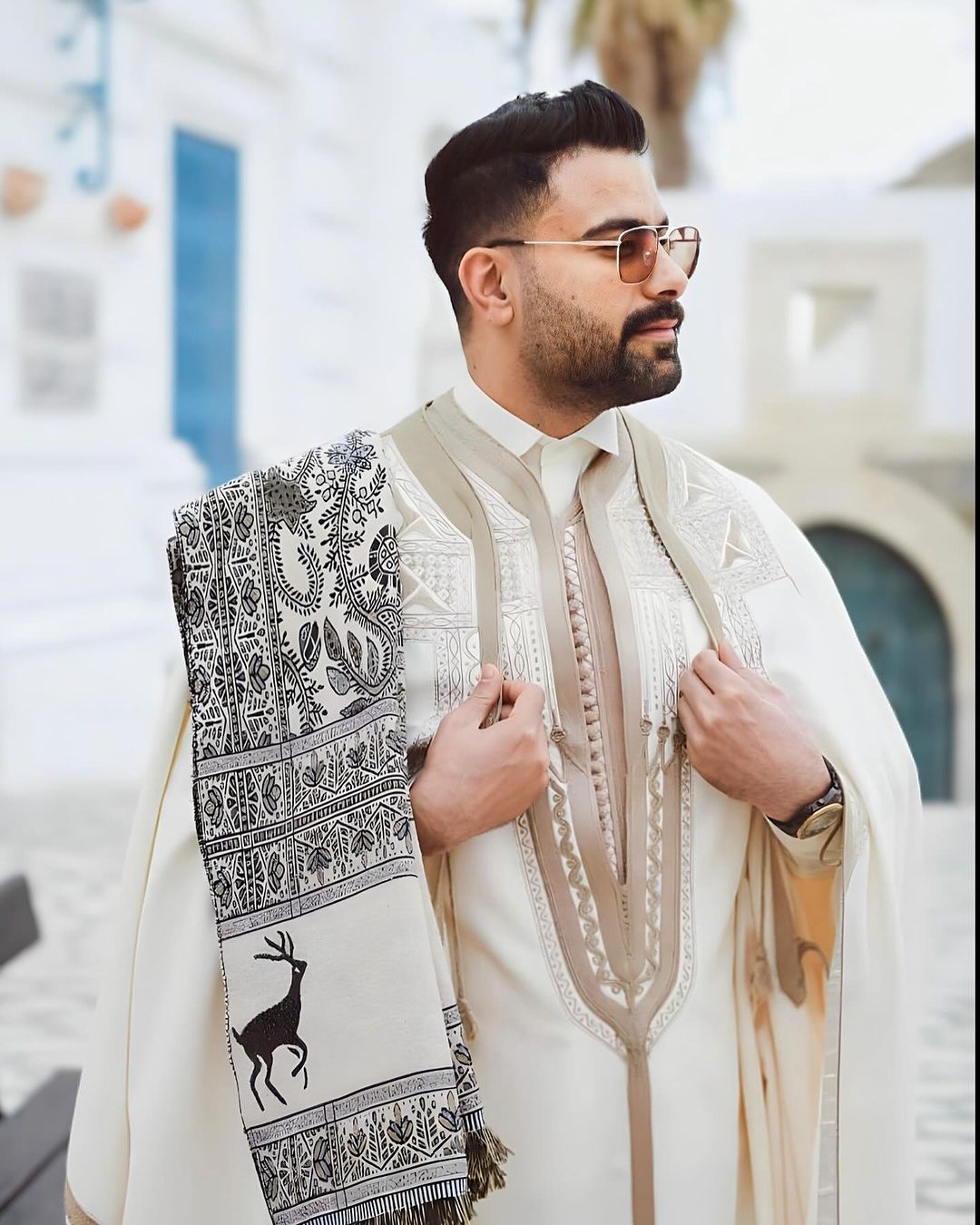
Jebba
Jebba For Men.
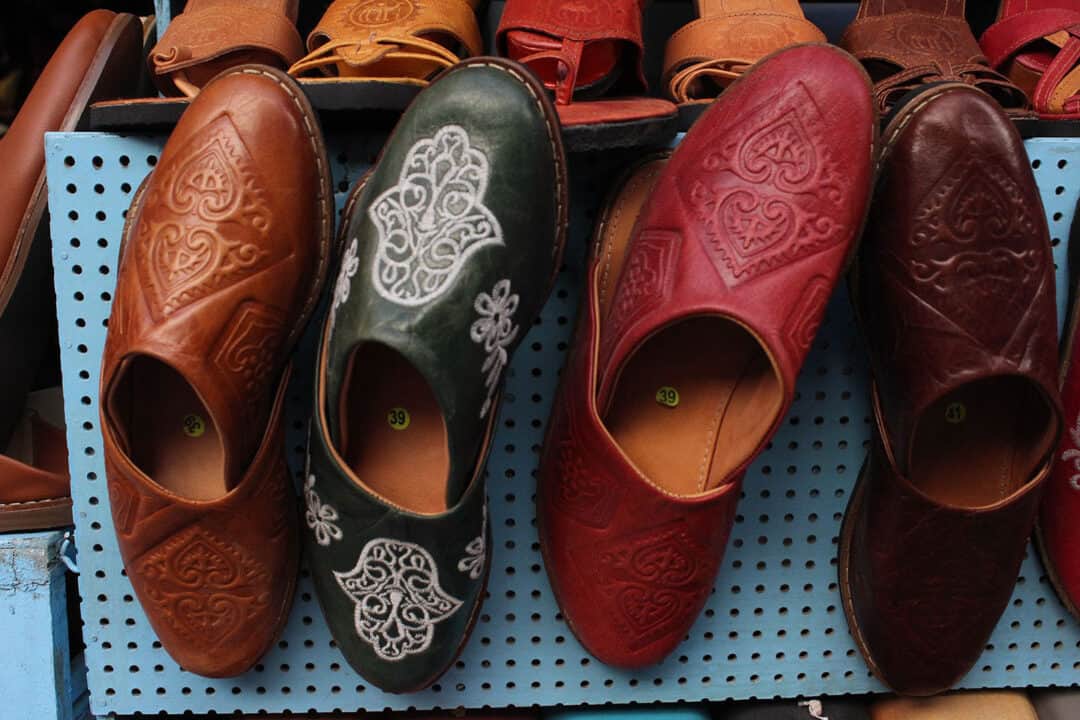
Balgha
Leather slippers.
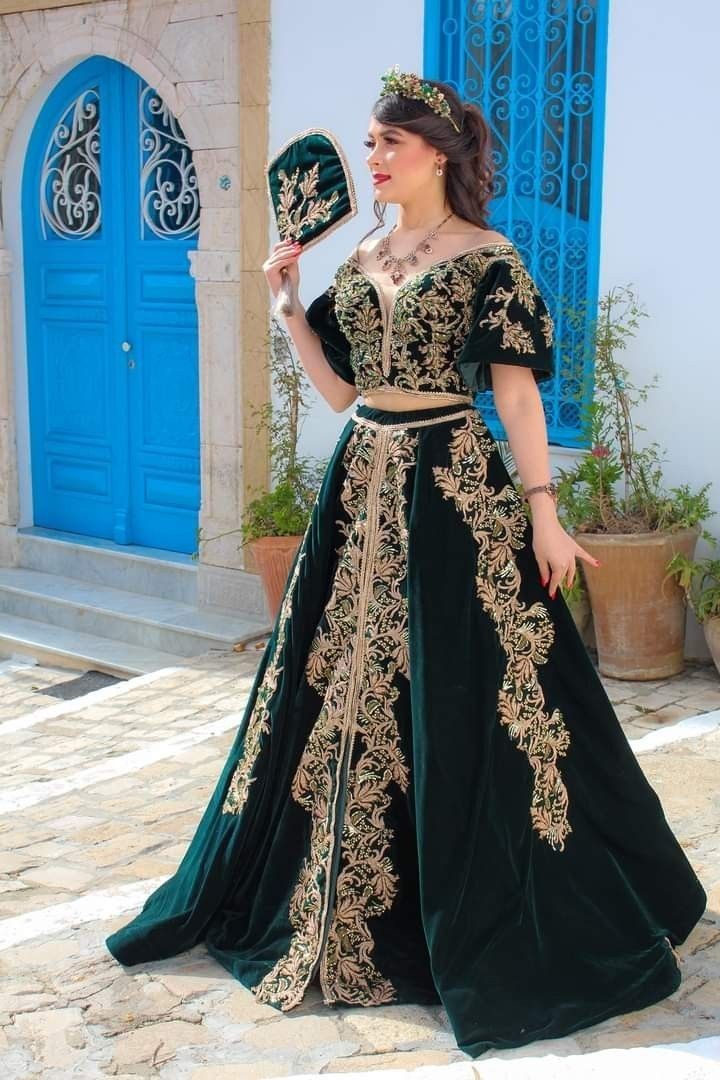
Kswa
Wedding ceremonial dress.
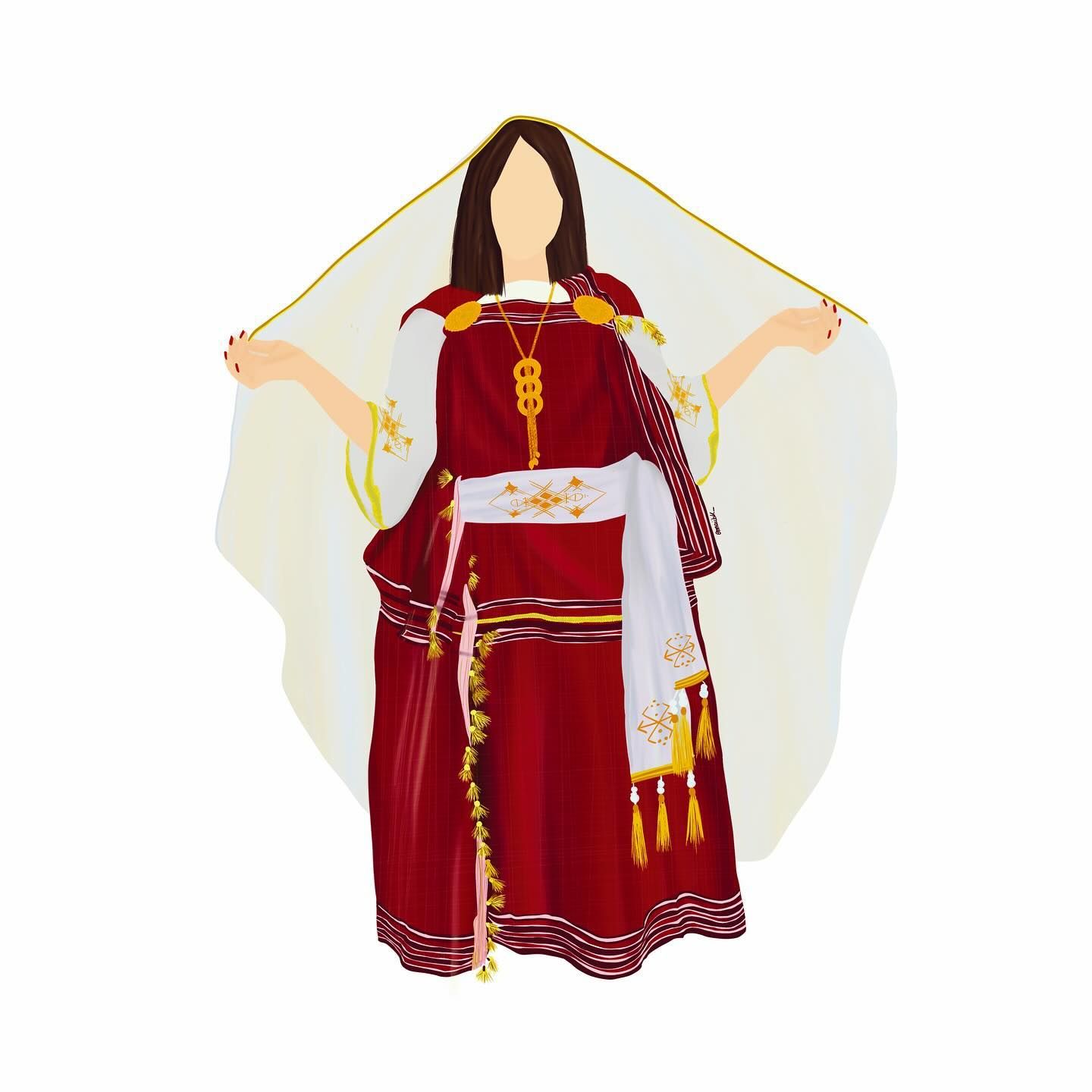
Houll
Traditional men's wrap.
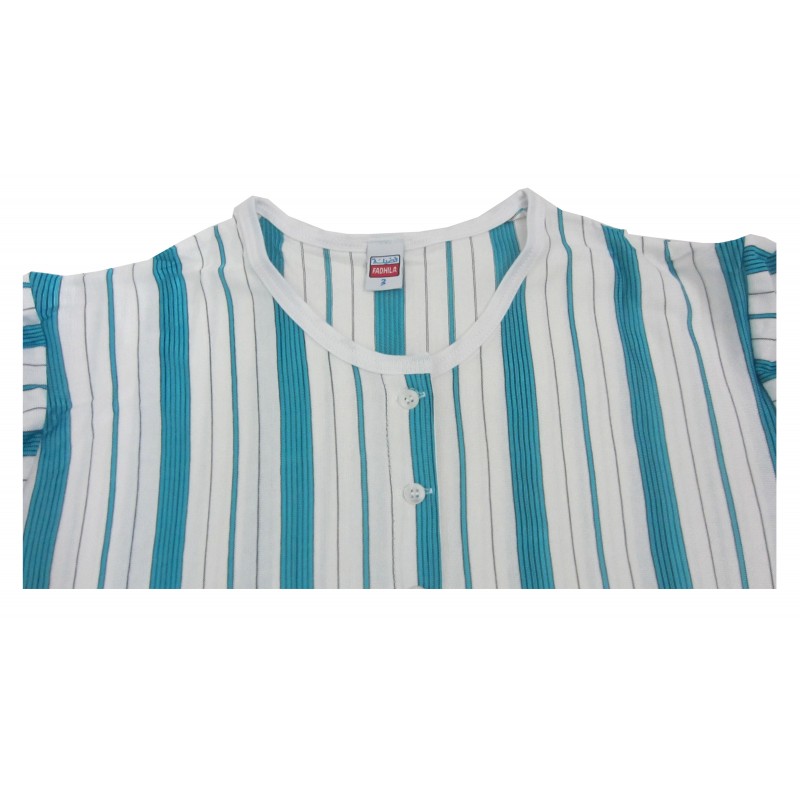
Maryoul
Called Fadhila.
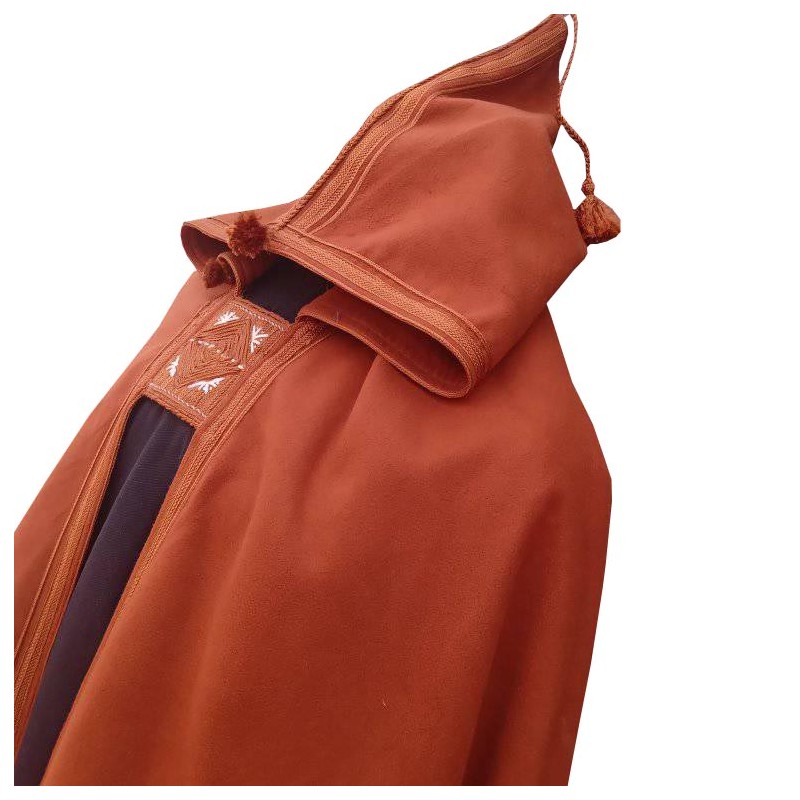
Barnouss
Men cLOTHES.